
The Mess Under My Desk and the Guilt That Followed
My desk drawer was a graveyard for dead electronics. I had old phones and tangled wires that I hadn’t touched in five years. Every time I opened it, I felt a weird mix of guilt and stress. If you’ve got a 'junk drawer' full of screens and batteries, you know exactly what I mean. I finally decided to stop hiding the mess and figure out how to get rid of it without hurting the planet. Here is how I cleared the clutter and found some peace of mind.
It felt like I was hiding a small pile of poison right inside my own bedroom. I started thinking about all the people like me who just hoard these gadgets because they don't know any better. We keep them because we think we might need a spare, but they just sit there, slowly breaking down. It made me feel heavy, knowing that my laziness might be hurting the world outside. I knew I had to find a better way to handle my old tech.
Why Our Old Gadgets Are Making Us Stressed
Most of us live with a "junk drawer" or a box in the garage filled with dead tech. You might think it is just harmless clutter, but it actually takes a toll on your mind. Seeing that pile of broken screens and dusty keyboards every day adds to your mental load. It is a constant reminder of money spent on things that are now useless. This clutter creates a sense of "unfinished business" that sticks in the back of your brain.
⚡ Quick Guide: What to Do Right Now
- Step 1: Grab a box and gather every device you haven't used in 12 months.
- Step 2: Group them (Phones, Laptops, Wires) so you know what goes where.
- Step 3: Use a factory reset on everything. If it's dead, pull the hard drive out.
- Step 4: Find a drop-off spot at stores like Best Buy or look for local "E-Waste Days."
- Warning: Never put a puffy or leaking battery in the mail; take it to a pro immediately.
Beyond the mental mess, there is a deep sense of worry for many people. We hear stories about soil being ruined or water getting poisoned, and we wonder if our old laptop is part of the problem. That guilt is real and it stays with you. You want to do the right thing, but the rules for recycling tech seem so confusing. It feels easier to just keep the junk than to risk doing the wrong thing.
Getting Real About the Toxic Stuff Inside Your Tech
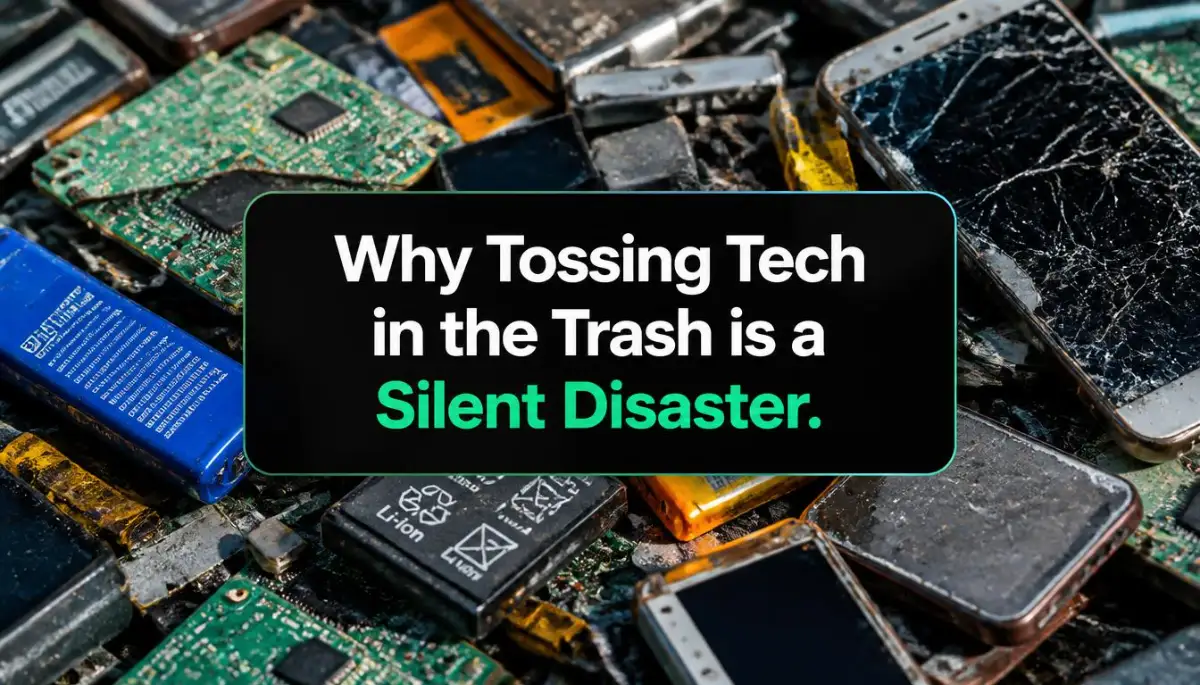
We often see our phones as sleek, magic pieces of glass and metal. But inside, they are a mix of some very scary chemicals that don't belong in the ground. When you toss a battery into a normal bin, it can get crushed in the garbage truck. This leads to fires that are very hard to put out. Even if it doesn't catch fire, the heavy metals start to leak out over time.
I learned that things like lead, mercury, and cadmium are common in old electronics. These are not just words from a science book; they are real toxins that can seep into the water we drink. Once these chemicals get into the soil, they stay there for a very long time. This ruins the land where food grows and harms the animals that live nearby. It is a slow, silent process that we don't see until the damage is already done.
| Toxic Material | Where It’s Found | Why It’s Dangerous |
| :--- | :--- | :--- |
| Lead | Old Monitors & Circuit Boards | Harms the brain and kidneys. |
| Mercury | Laptop Screens (Backlights) | Poisons water and hurts wildlife. |
| Cadmium | Old Phone Batteries | Very bad for your lungs and bones. |
| Bromine | Plastic Casings (Fireproofing) | Can cause hormonal issues over time. |
When we talk about the environmental impact, we have to think about the "hidden" cost of making new tech too. Mining for the materials inside your phone is a very dirty job that uses a lot of energy. By throwing away old gadgets instead of recycling them, we force the world to mine even more. It is a cycle that keeps hurting the earth. Understanding this makes it much easier to see why we need to change our ways.
A Simple Plan to Clear Out Your Tech Clutter
You don’t need to be a scientist to handle your e-waste the right way. It all starts with a simple audit of what you actually have in your house. Grab a box and go through every drawer, shelf, and closet. If a device hasn't been turned on in over a year, it is time to face the truth. You are probably never going to use it again.
Once you have your pile, you need to sort them into categories. Group the phones together, the cables together, and the big things like old monitors separately. This makes it much easier to find the right place to take them. Some places take small items but not big ones. By sorting them first, you save yourself a lot of driving around and frustration later on.
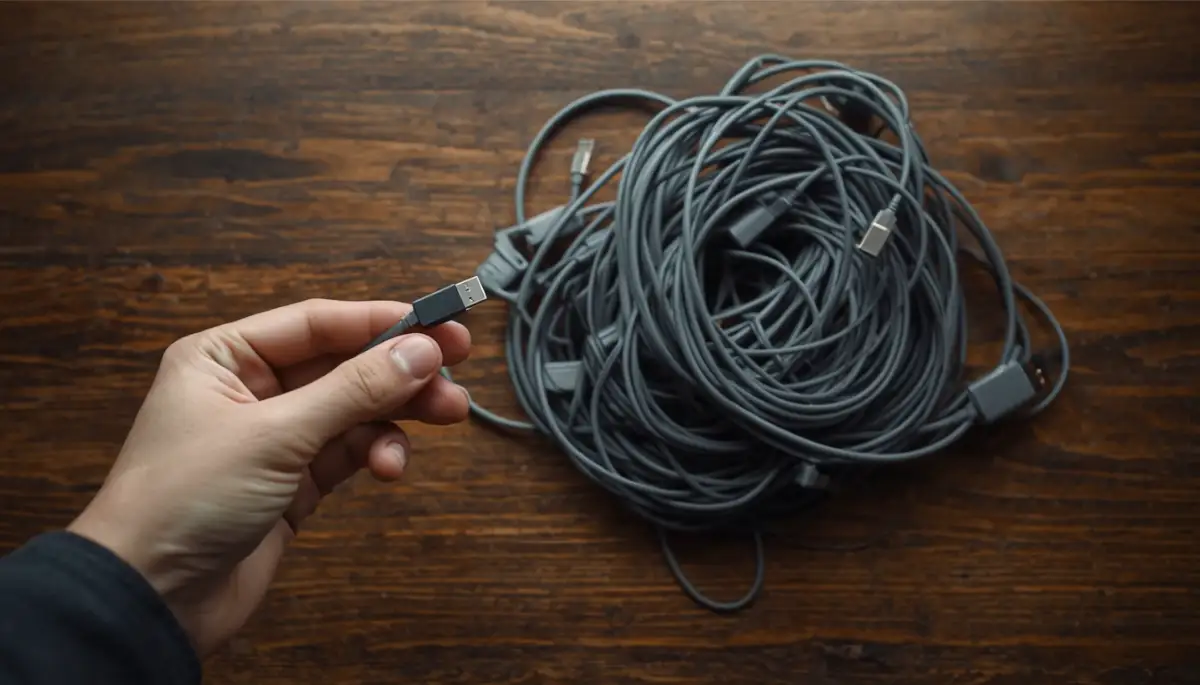
Pro Tip: I used to keep every single USB cable I ever got, thinking I would need them. One day, I realized I had 40 cables but only 4 things to charge. I kept the best two of each type and recycled the rest. It cleared up so much space in my mind and my desk!
Wiping Your Life Before You Say Goodbye
Before you even think about dropping off a device, you must think about your data. Your old phones and laptops are like digital diaries of your entire life. They have your photos, your passwords, and maybe even your banking info. Just deleting a file isn't enough; someone who knows what they are doing can still find it. You need to do a full "factory reset" on every single gadget.
For computers, it is often best to use a special program that scrubs the hard drive clean. If the computer is totally dead and won't turn on, some people even choose to take the hard drive out and physically break it. This might sound extreme, but it is the only way to be 100% sure your identity is safe. Never let a device leave your hands while your personal info is still on it.
Make sure your data is safe and your privacy is protected before you let go of your old devices.
Always double-check that you have backed up your favorite photos to the cloud or a new drive before you wipe the old one forever. Watching a quick guide can save you from a lot of heartache.
Finding a Local Hero: Where to Take Your Stuff
The good news is that there are more places than ever to drop off your old electronics. Many big-box tech stores have bins right at the front door where you can drop off old rechargeable batteries and phones. They handle the recycling for you, and it usually costs you nothing. This is one of the easiest ways to start making a difference without going out of your way.
You should also look for "E-Waste Collection Days" in your local town or city. Many communities hold these events once or twice a year. They set up a big parking lot where you can drive through and workers will take the heavy stuff right out of your trunk. It is a great way to get rid of old TVs, printers, and microwaves that are too big for a normal mail-in program.
Another great option is to look for non-profit groups that fix up old tech for students. If your laptop still works but is just slow, it could be a life-changer for a kid who doesn't have a computer at home. This way, you are helping the planet and helping a human being at the same time. It turns your "trash" into a powerful tool for someone else's future.
The Secret Value Hidden in Your Old Wires
Did you know that your old, tangled mess of wires is actually a tiny gold mine? Not literally gold (though there is a tiny bit of that too), but they are full of copper. Copper is a very valuable metal that can be recycled over and over again. When you throw a cable in the trash, that metal is lost forever. When you recycle it, it can be melted down and used to build something new.
This is why you should never feel bad about taking a bag of just "wires" to a recycling center. They actually love getting those. It is much easier for them to process than a whole computer. Even the plastic coating on the outside can sometimes be reused. Every little bit counts when we are trying to stop digging new holes in the earth.
Think of it as a circle. Instead of a straight line that ends in a dump, we want a circle where things keep being used. Your old charger might become part of a new electric car or a solar panel. That is a much cooler story than it just sitting under a pile of dirt in a landfill for a thousand years.
Common Myths About Tech Waste
- Myth: "I can just throw my phone in the trash if the battery is dead."
- Fact: Even a dead battery can leak or start a fire in a garbage truck.
- Myth: "Recycling centers just dump everything in another country."
- Fact: Certified recyclers (look for R2 or e-Stewards) follow strict rules to keep materials local and safe.
- Myth: "Small wires don't matter."
- Fact: Copper and gold inside wires are high-value materials that should always be saved.
How to Stop the Cycle of Tech Waste
The best way to deal with e-waste is to not create so much of it in the first place. Before you buy the newest phone, ask yourself if your current one really needs to be replaced. Sometimes a new battery or a simple software cleanup can make an old device feel like new again. We are often pushed by ads to buy things we don't truly need.
When you do have to buy something new, try to pick brands that are known for being easy to fix. Some companies make it very hard to change a battery or fix a screen. Others give you the tools and the guides to do it yourself. Supporting the "Right to Repair" movement is a big step toward a cleaner world. It puts the power back in your hands and keeps gadgets out of the trash.
We also need to change how we think about "old" things. Just because a tablet is three years old doesn't mean it is garbage. If it still does what you need it to do, keep using it! The longer we keep our devices, the less impact we have on the environment. It is a simple shift in mindset that can save you a lot of money and help the earth stay green.
Why Small Steps Lead to Big Changes
It is easy to feel like one person can't make a difference when it comes to global pollution. But e-waste is a problem made of billions of small choices. When I finally cleaned out my drawer and took my old phones to a proper bin, I felt a huge weight lift off my shoulders. My house felt cleaner, and my conscience felt better. That feeling is worth the small effort it takes to find a recycling center.
If everyone in your neighborhood recycled just one old device this week, the amount of toxic lead kept out of the ground would be huge. We don't have to be perfect; we just have to be better than we were yesterday. Start with that one drawer or that one box in the garage. You will be surprised at how much better you feel once that "poison" is safely out of your home.
This journey toward a cleaner world starts with you looking at your gadgets in a new way. They are tools that served you well, and now they deserve a respectful retirement. By choosing responsible methods for disposal, you are protecting the water, the soil, and the future for all of us. It is a win for you, your home, and the planet we all share.
Taking Action Today: A Final Checklist
Don't wait until next month to start. Today is the best day to handle your e-waste. Here is a quick list of what you can do right now to make an impact. First, go find that one device you know is broken and put it by the front door. This is your commitment to getting it recycled. Next, check online for the nearest tech store that accepts old batteries.
Tell a friend or a family member what you are doing. Often, they have a pile of old tech too and just need a little nudge to get rid of it. You could even offer to take their old phones when you go to the recycling center. Making it a group effort makes it feel less like a chore and more like a positive mission.
Remember, every device you recycle is a victory. It means fewer chemicals in the ground and more resources saved for the future. You have the power to turn the tide on e-waste. It starts with one drawer, one phone, and one responsible choice. Let’s clean up our digital lives and protect our physical world together.
Smart Strategies to Master Your Electronic Clutter
Most people think e-waste management is just about finding a big blue bin. But there is a much deeper way to look at your gadgets that saves you money and helps the earth at the same time. If we want to really change things, we have to look at the "hidden life" of our devices. This means thinking about how to keep them alive for as long as possible before they ever become waste.
I have found that the most powerful secret is focusing on "modular" thinking. This means looking for tech where you can swap out one broken part instead of throwing the whole thing away. When your laptop gets slow, you might not need a new one. Often, just adding a bit more memory or a new battery makes it feel like it just came out of the box.
Maintaining your devices is a form of environmental activism. When you take care of your gear, you reduce the demand for new mining. It sounds small, but if a million people kept their phones for one extra year, the impact would be massive. You can start by making simple household swaps to shrink your plastic footprint easily in other parts of your life, but your tech is a great place to begin.
Why Repairing is the New Recycling
We live in a world where it feels like things are built to break. This is often called "planned obsolescence." But you don't have to follow that path. There are amazing communities online that provide free guides on how to fix almost anything. Websites like iFixit are great for showing you how to open a phone or a tablet safely.
I used to be scared of opening my own gadgets. I thought I would break something or get a shock. But once I tried it with a small screwdriver set, I realized it was like playing with Legos. Fixing a screen or a charging port yourself can save you hundreds of dollars. It also gives you a great sense of pride to know you didn't let that device end up in a landfill.
If a repair feels too hard, look for a "Repair Cafe" in your local area. These are places where volunteers help you fix your stuff for free while you have a cup of coffee. It turns a chore into a social event. By keeping your tech working, you are cutting down on the energy used to ship new products across the ocean.
Keeping Your Batteries Healthy for Years
One of the biggest reasons people throw away old tech is a dead battery. Most of us are killing our batteries without even knowing it. We leave our phones plugged in all night or let them get way too hot. Heat is the number one enemy of any electronic device.
To make your battery last much longer, try to keep it between 20% and 80% charge. Charging it to 100% every single time puts a lot of stress on the cells. Also, never leave your laptop on a soft bed where the fans are blocked. If the device stays cool, the internal parts will live much longer.
I once had a laptop that I thought was dead, but it was just overheating because of dust. A quick blast of compressed air saved me from buying a whole new computer. It is these small habits that keep your tech out of the waste stream. You might also want to fix tired eyes fast with easy screen adjustments while you are optimizing your device settings.
The Power of Secondary Tech Markets
If you truly are done with a device, don't let it sit in a drawer. Its value drops every single day it stays there. Instead, look into "refurbishing" or selling it to a professional service. There are companies that take "broken" tech, fix it up, and sell it to people who can't afford brand-new gear.
This creates what we call a "circular economy." Your old phone becomes someone else's first smartphone. This keeps the materials moving and stops the need for new raw materials to be pulled from the earth. According to the Global E-waste Monitor, millions of tons of tech are wasted every year that still have working parts inside.
I always tell my friends to sell their old tech as soon as they get an upgrade. Even if it only gets you $50, that is $50 you didn't have before. And more importantly, it ensures the device stays in use. A phone that is being used is not a piece of trash; it is a tool for connection.
The Ethical Way to Donate Your Tech
Donating is a wonderful thing, but you have to do it right. Many charities get overwhelmed with "junk" that doesn't even turn on. If you want to donate, make sure the device is clean and has all its cords. If the screen is cracked, tell the charity upfront.
Some organizations specialize in giving laptops to students in need. This is a great way to help someone get an education. Always check if the charity has a plan for when the device eventually dies. A truly responsible organization will have a partnership with a recycler to handle the end-of-life process.
Before you hand over your smart devices, you should also block smart tv tracking and change simple settings to protect your privacy. Even if you are giving the device to someone you trust, it is best to start with a clean slate. This protects you and gives the new owner a fresh experience.
The Hidden Blunders That Turn Your Old Tech Into a Disaster
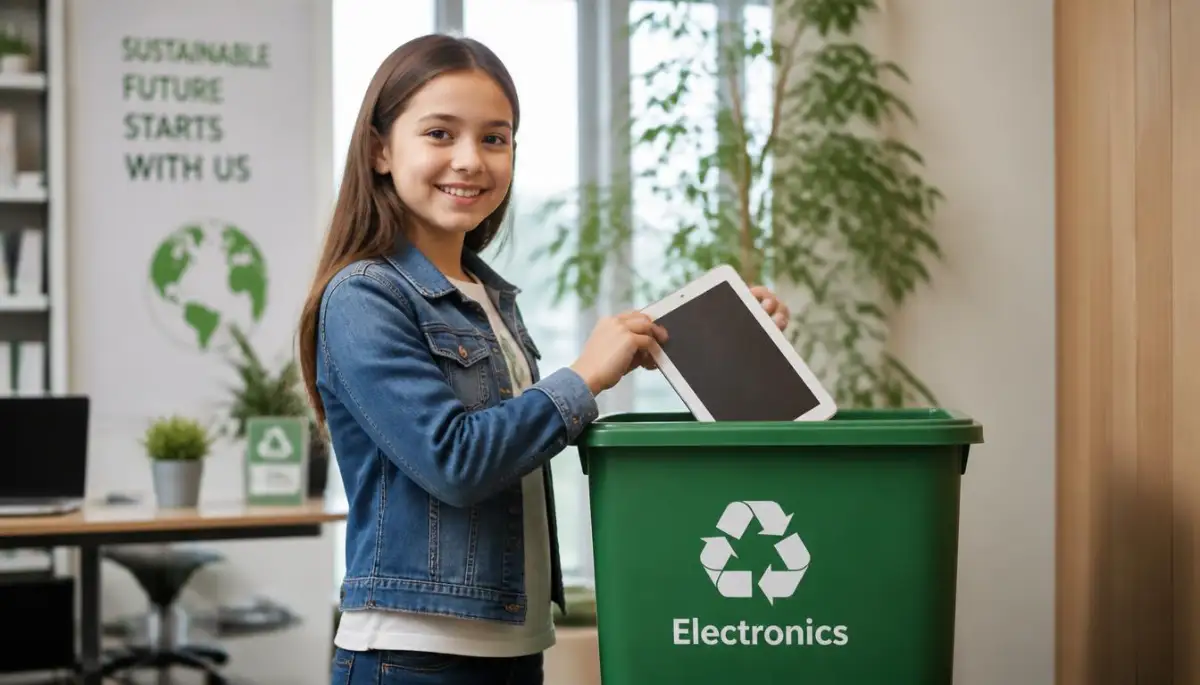
It breaks my heart when I see a perfectly good tablet sitting at the bottom of a kitchen trash can. Most people don't do this to be mean to the earth; they just don't know the risks. Tossing electronics in the regular trash is one of the most dangerous things you can do in your home. It isn't just about pollution; it is about physical safety.
Inside almost every modern gadget is a Lithium-ion battery. These batteries are amazing for holding power, but they are very sensitive. If they get punctured or crushed in a garbage truck, they can explode. These fires are incredibly hot and release toxic fumes that hurt the workers trying to do their jobs.
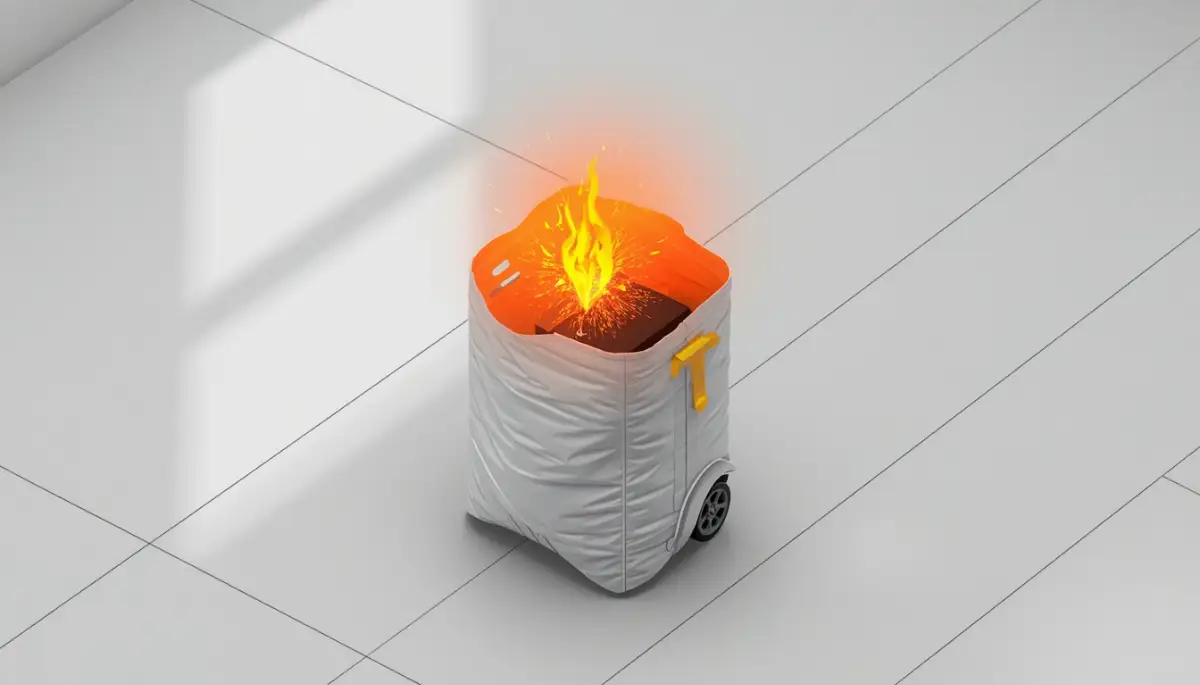
I remember reading a story about a whole recycling truck catching fire because of one small e-cigarette battery. It made me realize that even the smallest items matter. We have to treat every electronic item with respect, no matter how small it is. If you wouldn't throw a lit match into your trash, don't throw a battery in there either.
Forgetting Your Identity Behind
Another massive mistake is thinking that a "broken" device is a "safe" device. Just because your laptop won't turn on doesn't mean your data is gone. The hard drive inside might still be perfectly fine. If a stranger finds that drive, they could access your old taxes, photos, and saved passwords.
I have seen people sell their "dead" laptops for parts without realizing they are giving away their whole digital life. You must ensure your data is destroyed or encrypted. If you can't wipe the drive, you should physically remove it before letting the device go. It is a small step that prevents a lifetime of identity theft headaches.
This is especially true with modern AI tools. If you use a chatbot for work, make sure you know how to prevent public AI chatbot privacy risks before you get rid of the device. Our personal information is scattered in more places than we think. Being careful is not being paranoid; it is being smart in a digital world.
The Myth of the "Weatherproof" Junk Pile
Some people think it is okay to leave old monitors or printers out in the rain or in a damp garage. They think "I will get to it later," but "later" often comes too late. When electronics get wet, the internal chemicals start to break down and leak much faster. Rainwater can wash lead and mercury out of old circuit boards and straight into the groundwater.
I once left an old printer on my porch for a month, thinking I was doing a "neighbor" a favor by letting them take it for parts. By the time someone picked it up, it had leaked ink and rust all over my wood deck. It was a mess to clean up and a reminder that tech belongs indoors or in a proper recycling facility.
If you have a pile of tech in a shed or garage, check your insurance too. You might be surprised to find out why renters insurance might not cover your electronics in a power surge or during a flood if they aren't stored correctly. Keeping your old tech dry and safe is part of being a responsible owner until the day you finally recycle it.
Ignoring the "Small" Stuff
We often focus on the big things like TVs and computers, but the small stuff adds up. Think about all those old digital watches, electric toothbrushes, and even light-up toys. These all have circuit boards and batteries. Because they are small, we often feel like they don't count as "e-waste."
This is a huge error in thinking. Millions of these small items end up in landfills every single year. They may be small, but their impact is huge because there are so many of them. Treat every single thing with a plug or a battery as e-waste. This simple rule will make your home much safer and the earth much cleaner.
Your Tomorrow Starts with a Clean Desk
I have found that my productivity goes up every time I clear out my old tech. It feels like I am letting go of the past and making room for the future. You don't have to do it all in one day. Just pick one device today and decide what its final home will be. Whether you fix it, donate it, or recycle it, you are doing something great.
The change starts in your home, but it echoes across the whole world. By choosing responsible methods, you are protecting the soil where our food grows and the water our children drink. It is a powerful legacy to leave behind. Your old tech doesn't have to be a burden; it can be a part of a much bigger, more beautiful story of renewal.
Quick Answers to Your Biggest Tech Recycling Worries
Can I recycle my old CDs and DVDs with my electronics?
Most e-waste centers actually don't take discs because they are made of a different type of plastic. You often need to find a specialized plastic recycler for those. However, the plastic cases they come in are usually recyclable in your normal bin if you remove the paper inserts.
Is it safe to mail my old phone to a recycling program?
Yes, as long as the battery is not swollen or damaged. Most programs will give you a special padded envelope to keep it safe during shipping. Just make sure you have done a factory reset to keep your personal photos and messages private.
Do old TVs really have gold and silver inside them?
They do have very small amounts of precious metals, but not enough for you to get rich by taking them apart yourself. It takes professional machines to safely pull those metals out. The real "treasure" in recycling is keeping the toxic lead inside the glass from getting into the earth.
What should I do with a battery that is leaking or puffy?
Never put a leaking battery in a mail-in bag or a normal trash can. You should place it in a glass jar or a non-flammable container and take it directly to a local hazardous waste center. They have the training to handle "swollen" batteries that might catch fire.
I used to be someone who just ignored the pile of wires in the corner of my room. But once I realized how much peace I gained by cleaning it all up, I never looked back. I truly believe that taking this one small step today will make you feel lighter and more connected to the world around you.
Disclaimer: The information provided in this article is for educational purposes only. Handling broken electronics or batteries can be dangerous if not done correctly. Always follow the safety guidelines provided by the manufacturer and your local recycling center. We are not responsible for any damage or injury that may occur while following these tips.